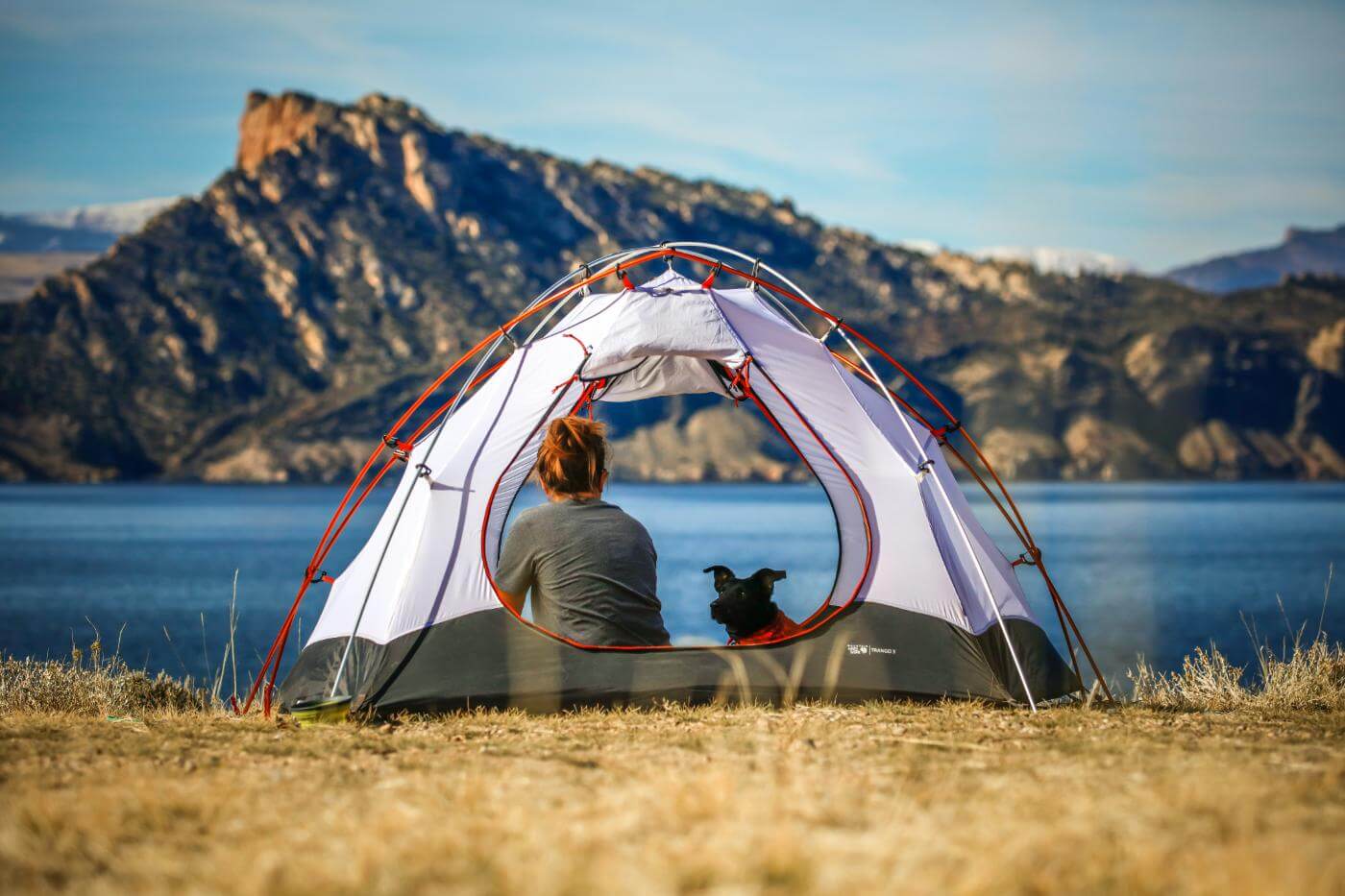

Camping with a dog is one of the best ways to spend time outside. A good dog doubles the fun on the trail, gets you up early for the sunrise, and might even catch the scent of a deer or a fox you never would have noticed on your own. There is a reason so many people pack up the tent and bring their pup along.
But camping with a dog is also a little different from camping on your own. When you are deep in the woods, help can be far away, and your dog depends on you for almost everything. A small slip-up that would be no big deal at home can turn into a real problem out there.
The good news is that most of these problems are easy to avoid once you know what to look for. Here are some common mistakes people make when camping with a dog, and how to steer clear of each one.
1. Showing Up Without Checking the Campground’s Dog Rules
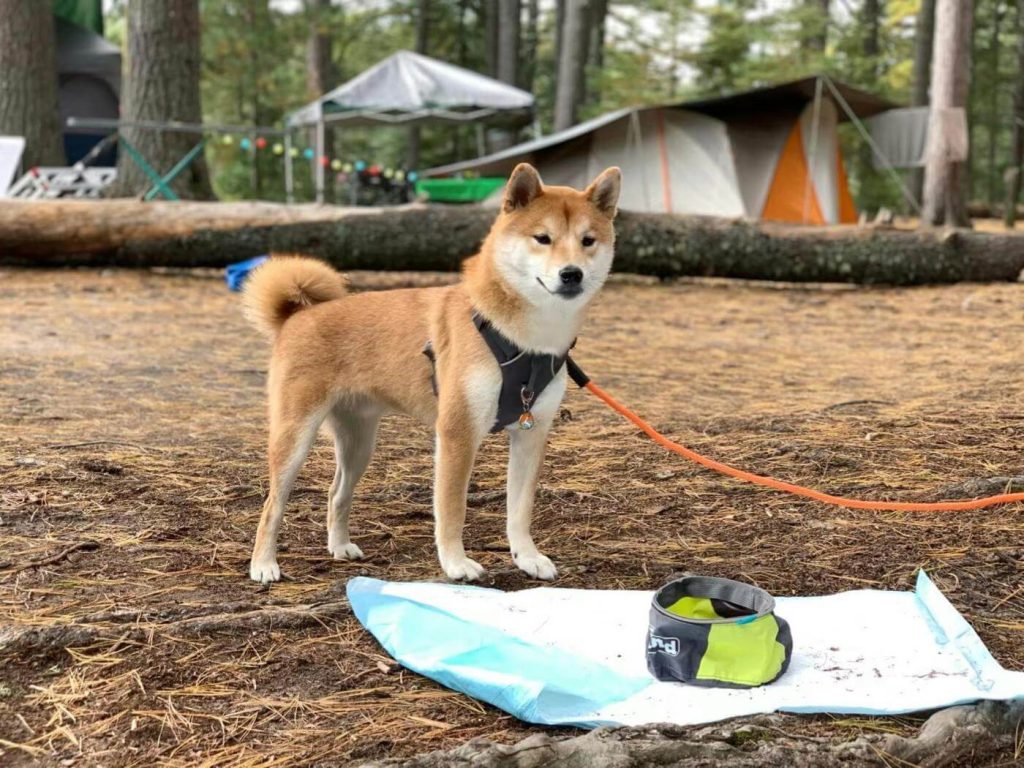
Not every campground treats dogs the same way, and the rules can change a lot depending on where you go. A private campground might be totally fine with dogs as long as they stay leashed, while some wilderness areas ban dogs from certain spots entirely.
Before you book anything, make sure the site actually allows dogs. Then read the fine print. Look for leash length limits, rules about where your dog can and cannot go, and how the site wants you to handle waste. On public land managed by the Forest Service or BLM, the rules range from a simple “use common sense” to strict leash requirements during busy seasons. A few minutes of reading ahead of time saves you from an awkward surprise at check-in.
2. Skipping the Pre-Trip Vet Visit
A quick trip to the vet before you leave covers a lot of ground at once. Most campgrounds require your dog to be up to date on vaccines, and many actually check for a rabies certificate when you arrive. Beyond the legal stuff, diseases like distemper, leptospirosis, and Lyme can all be passed along by the raccoons, rats, and ticks that hang around campsites.
This is also the time to set up flea and tick prevention, since ticks love tall grass, leaf litter, and wooded areas. Ask your vet what product fits your dog best. While you are there, it is smart to get a general health and fitness check too. Some dogs look bouncy and energetic but have hidden issues that only show up halfway through a hike. This matters even more for puppies, senior dogs, overweight dogs, and big breeds whose joints are still developing.
3. Not Microchipping or Carrying ID
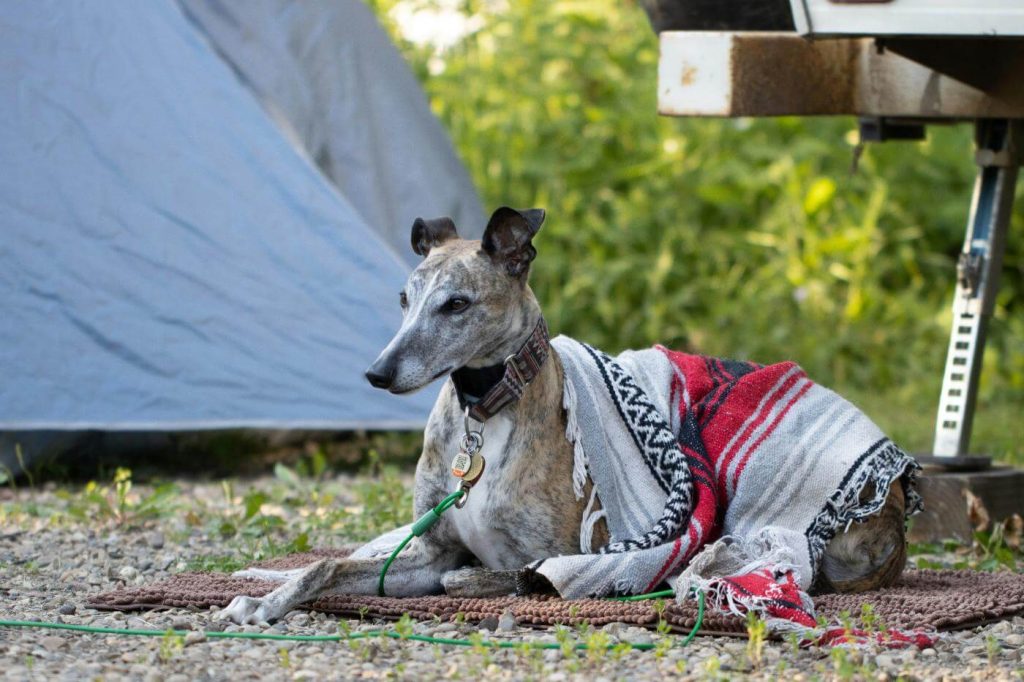
Accidents happen, even with well-behaved dogs. A pup can slip out of a collar or take off after a squirrel and get lost in the woods before you know it. Out in a remote area, finding a missing dog is a lot harder than it would be back home.
A collar with tags is a good start, but a microchip is the real backup, since it stays with your dog no matter what. Here is a tip people often forget: pack a few recent printed photos of your dog. Your phone might be dead or out of signal range right when you need it most, and a printed photo lets you show campers and park staff who you are looking for, or post a flyer in a hurry.
4. Letting Your Dog Off-Leash When It Isn’t Safe
Even a dog with great manners can get spooked or distracted in a brand new place. A loose dog can wander toward a cliff, a road, or a wildlife area, and can stress out other campers and the local critters too.
There are times when off-leash is fine, like at a fenced dog area or at base camp on certain public land if your dog has rock-solid recall and stays close. But there are plenty of times when a leash is a must, such as your first walk around a new campground, busy trails, and any place where snakes or larger predators might be around. A long line gives your dog room to sniff and roam while still keeping them safe, and a hands-free leash is handy when you are busy cooking or relaxing at camp.
5. Underestimating Heat
Heat is one of the fastest dangers your dog can face outdoors, and it can go from mild to life-threatening in just minutes. Dogs do not cool off the way people do. They mostly pant and have only a little bit of cooling power in their paw pads, so heat builds up in their bodies quickly.
Some dogs are at even higher risk, including flat-faced breeds, senior dogs, puppies, overweight dogs, and any dog that is already sick. Plan hard activity for the cooler parts of the day, and learn the early warning signs of overheating like heavy panting and acting tired or confused. If your dog starts to overheat, move them into the shade, give them small amounts of cool (not ice-cold) water, and wet their belly, groin, and paws. Skip the ice water, since cooling too fast can send a dog into shock. If the signs are serious or your dog seems very weak, get to a vet or emergency vet right away.
Heat illness is a serious topic, so when in doubt, treat it as an emergency and call a vet.
6. Not Bringing Enough Clean Water
That lake or stream might look fresh, but natural water can carry nasty stuff like Leptospira bacteria, Giardia, and blue-green algae, which can be deadly to dogs. Letting your pup drink from a puddle or a slow-moving stream is a gamble you do not want to take.
Bring plenty of clean water just for your dog, along with a collapsible bowl that is easy to pack. When it is hot out or you are working hard on the trail, offer water about every half hour so your dog stays hydrated and cool. And if you are planning to let your dog swim, check ahead for any posted warnings about algae blooms before they jump in.
7. Forgetting to Protect Paws and Skin
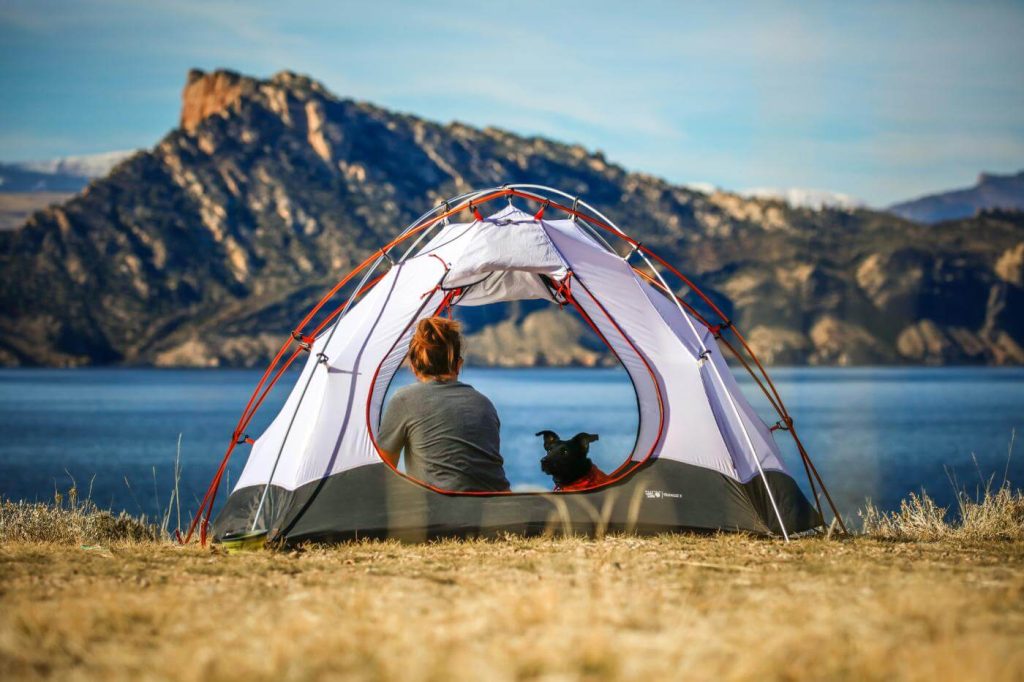
Paw pads take a beating outdoors. Hot ground, sharp rocks, thorns, and broken glass can all do damage, and a paw burn can take weeks to heal and put a stop to the fun. A simple test helps: press the back of your hand against the ground for about five seconds. If it is too hot for your hand, it is too hot for your dog’s paws. Paw wax and booties both help, but get your dog used to wearing booties at home first, not on the first morning of the trip.
Skin needs protecting too. Dogs with thin coats, light fur, or exposed noses and ears can get sunburned, which hurts and raises the risk of skin cancer over time. Use a pet-safe sunscreen on the nose, ear tips, and belly. Never use human sunscreen, since ingredients like zinc oxide can be toxic to dogs.
8. Underpacking Food, and Letting Them Eat the Wrong Things
A dog that spends the day hiking, swimming, and running around burns way more energy than one lounging at home. That means they need more food than usual. Pack extra meals and treats so your dog can keep up with all the activity without running low.
At the same time, keep a close eye on what goes in their mouth. A lot of common camp foods are dangerous for dogs. Trail mix often has chocolate or raisins, both of which can be toxic. Your dog might also sneak over to a neighbor’s grill or sniff out something gross in the woods. Keep food stored safely and stay alert so your pup does not snack on anything harmful.
9. Making Your Dog Sleep Outside the Tent
Your tent, camper, or RV is the safest place for your dog to sleep. It keeps them warm, keeps them from wandering off in the dark, and protects them from wildlife. A dog left tied up outside overnight can become a target for coyotes and other predators.
Just plan ahead for the space, because a sprawled-out dog takes up more room than you might expect. A crate or a slightly bigger tent can solve that problem. One more thing people often miss: a pair of soft socks or booties for inside the tent keeps your dog’s nails from puncturing an air mattress or ripping a sleeping bag. Nobody wants to spend the night on the hard ground because of a popped mattress.
10. Skipping a Dog First-Aid Kit and Cleanup Supplies
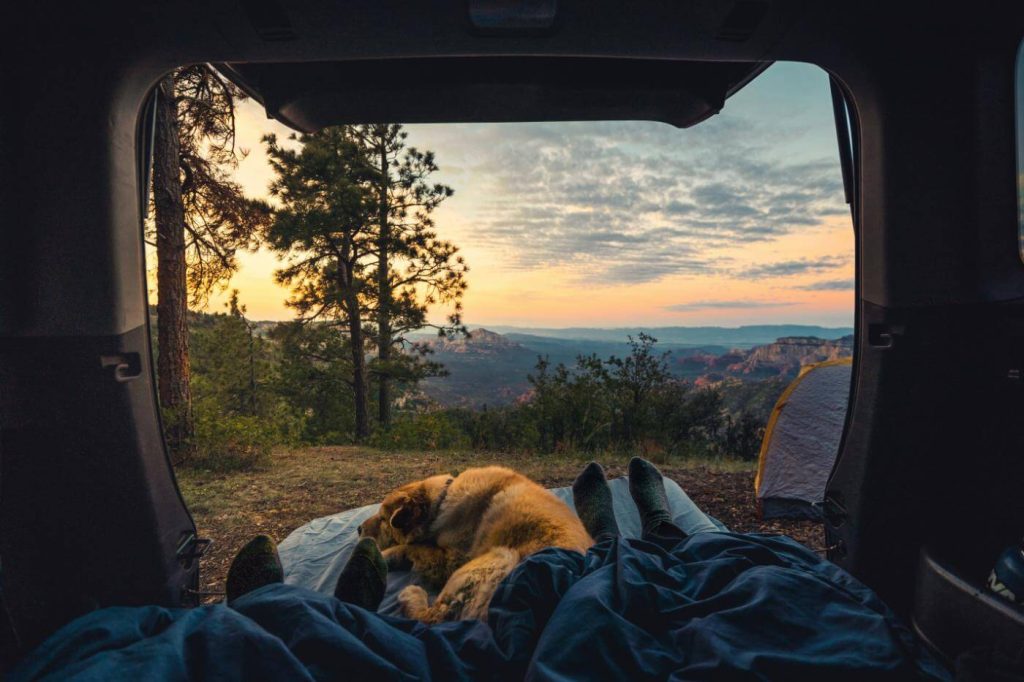
A regular first-aid kit will not have everything your dog might need. Put together a dog-specific kit with bandages, antiseptic wipes, tweezers, a tick remover, a digital thermometer, and any medications your dog takes. It will not replace a real vet, but it gives you the tools to handle small scrapes and problems on the spot. It also helps to know the basics of dog first aid before you go.
Do not forget the less glamorous gear either. Bring poop bags, biodegradable ones if that fits your style, so you can clean up after your dog and follow the campground rules. Toss in a few towels and some grooming wipes too, because a camping dog is going to get muddy, dusty, sandy, wet, or most likely all of the above.
Final Thoughts
None of this takes expert-level planning. Most of these mistakes come down to a few minutes of prep before you leave, and a quick run through this list can prevent the great majority of camping headaches. When you handle the planning, your dog gets to do the fun part, which is simply enjoying the trip right alongside you. Pack smart, stay alert, and go make some memories in the great outdoors together.