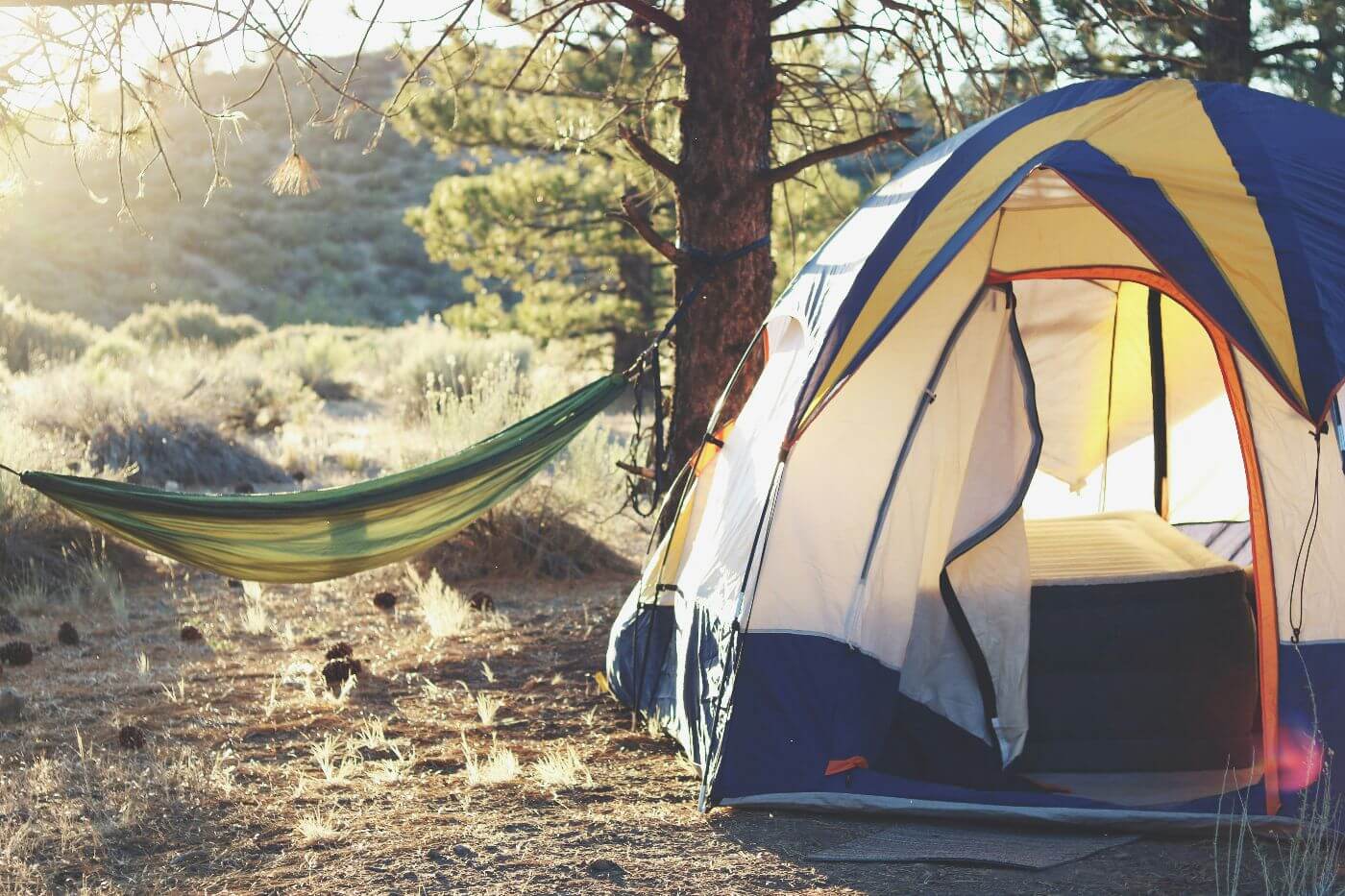

There’s nothing quite like showing up to a campsite as the sun goes down, the temperature dropping fast, and realizing the brand new tent is still in the bag because nobody practiced setting it up. The sleeping bags aren’t warm enough, the food is sitting out in the open, and something is rustling in the bushes nearby. Sound like a nightmare? For a lot of first time campers, this is exactly what happens.
The good news is that most camping disasters are totally preventable. A little bit of planning goes a long way toward making that first trip fun instead of frustrating. Nobody expects perfection on their first time out, but knowing what not to do can save a lot of headaches (and bug bites).
Here are five of the most common beginner camping mistakes and how to avoid every single one of them.
1. Not Testing Your Gear Before You Leave Home
This is probably the most common mistake new campers make, and it’s one of the easiest to fix. A lot of beginners show up to their campsite with everything still sealed in the packaging. They figure they’ll just figure it out when they get there. But trying to assemble an unfamiliar tent in fading daylight while mosquitoes are buzzing around is not the time to read the instruction manual.
Before the trip, take everything out and practice with it. Set up the tent in the backyard or even in the living room. Light the camp stove and make sure it actually works. Inflate the sleeping pad to see how long it takes and whether there are any leaks. Check the headlamp batteries. Charge every device, including the phone, GPS, and portable battery pack.
The goal here is simple: no surprises at camp. If something is broken or missing, it’s way better to find out at home where there’s a store nearby, not in the middle of the woods where the closest help is an hour away.
Pro tip: Try a full “shakedown night” in the backyard. Set up camp, cook a meal on the stove, and sleep in the tent overnight. It sounds a little silly, but it will reveal all kinds of small problems before they become big ones in the wilderness.
2. Packing Way Too Much (or Way Too Little)
New campers tend to fall into one of two extremes. Either they bring half the house “just in case,” or they pack so light that they’re missing essentials by the second hour.
Overpacking is the more common problem. It’s tempting to grab every cool gadget at the outdoor store, but all that extra weight adds up fast, especially on a hike to the campsite. The truth is, most of that stuff will never leave the bag. A s’mores maker, a French press, three changes of clothes per day, and five books for a one night trip? That’s a lot of dead weight for no reason.
On the flip side, underpacking can be just as rough. Forgetting a first aid kit, extra layers, or a reliable light source can turn a fun trip into a miserable one really quickly.
The sweet spot is somewhere in the middle. Stick to the essentials: a tent, sleeping gear, food, water, cooking tools, layers of clothing, a first aid kit, and weather protection. Before zipping up the bag, lay everything out on the floor and ask one honest question about each item: “Will I actually use this?” If the answer is no, leave it behind.
For those who are new to all of this, it also helps to borrow gear from friends or look into rental options before spending a fortune. There’s no need to buy the fanciest equipment right away. Start simple, learn what works, and build up from there.
Pro tip: Make a packing checklist a few days before the trip and review it twice. Multipurpose items are a camper’s best friend. One good knife, one solid pan, and one reliable light source will cover a lot of ground.
3. Ignoring the Weather (and Wearing the Wrong Clothes)
Here’s something that catches a lot of beginners off guard: the weather outside of town is nothing like the weather at home. A sunny afternoon can turn into a freezing cold night in a matter of hours, especially in the mountains or near water. Plenty of first time campers check the forecast once, see sunshine, and figure they’re all set. Then they end up shivering in a T shirt at 2 a.m.
The key is to always prepare for weather that’s worse than what’s predicted. Even in the summer, nighttime temperatures in the woods can drop fast after sunset. Rain can roll in without much warning. Wind can make a cool evening feel downright cold.
Layering is the smartest approach. Start with a moisture wicking base layer to stay dry, add an insulating middle layer for warmth, and top it off with a waterproof outer shell for wind and rain. This system makes it easy to adjust throughout the day without hauling around a giant coat.
Footwear matters too. A lot of beginners think heavy, stiff boots are the safest option, but if they don’t fit well or haven’t been broken in, blisters will ruin the trip faster than anything else. Whatever shoes go on the hike, they should be comfortable and well worn before the trip, not straight out of the box.
And don’t forget bug spray. Mosquitoes, ticks, and other insects are part of outdoor life, and they can make things miserable in a hurry. A good insect repellent and some anti itch cream belong on every packing list.
Pro tip: Check the weather forecast every day in the week leading up to the trip. Pack for the worst case scenario, not the best one. If the forecast says it’ll be warm and sunny, still throw in a rain jacket and a warm layer. It weighs almost nothing and could save the whole trip.
4. Setting Up Camp in a Bad Spot
Where the tent goes matters a lot more than most people realize. A beautiful looking clearing might seem perfect until it fills with water during a midnight rain shower. A spot near a river sounds peaceful until the mosquitoes show up in full force. A shady area under a big tree feels smart until a dead branch falls at 3 a.m.
The first rule is to arrive at the campsite early, with plenty of daylight left. Trying to set up camp in the dark almost always leads to a bad spot and a lot of frustration. Arriving early means there’s time to walk around, check out a few different spots, and pick the best one.
When choosing a spot, look for flat, level ground. A slight slope might not seem like a big deal, but after rolling downhill all night in a sleeping bag, it matters. Avoid low spots where rainwater can collect. Stay at least 200 feet from lakes and streams, which helps protect water sources and cuts down on bugs.
Take a good look around and above. Are there dead trees or large dead branches overhead? Those are called “widow makers” for a reason. Check the ground for ant hills, poison ivy, or animal burrows. A quick two minute inspection can prevent hours of regret.
Whenever possible, use established campsites. They’re usually on solid, level ground and often come with fire rings, picnic tables, and restrooms. They’re also set up with safety and environmental protection in mind, which makes everything easier for someone just getting started.
Pro tip: Think of campsite selection like a quick checklist. Is it flat? Is it dry? Is it sheltered from wind? Is it away from water? Is there anything dangerous overhead? If the answer to all of those is yes, that’s the spot.
5. Leaving Food Out in the Open
This is a big one, and it’s about more than just losing snacks. Leaving food unsecured at a campsite can attract all kinds of wildlife, from raccoons and squirrels to bears and coyotes. These animals already know how to navigate campsites, and the smell of food (even sealed food) is like a dinner bell.
When wild animals get used to eating human food, it changes their behavior. They lose their natural fear of people, start approaching campsites more aggressively, and can become a real safety threat. In some cases, animals that become too dependent on human food are put down by wildlife managers. So proper food storage isn’t just about protecting groceries. It’s about protecting the animals too.
The basics are straightforward. Never leave food, trash, or anything with a scent sitting out at the campsite. That includes things most people don’t think about, like toothpaste, sunscreen, lip balm, and scented wipes. To a bear’s nose, toothpaste smells just as interesting as a granola bar.
At night (and anytime leaving the campsite), store all food and scented items in a hard sided cooler inside a locked vehicle, a metal bear box if the campground has one, or a bear canister for backcountry trips. Cook and wash dishes well away from the tent so food smells don’t linger near the sleeping area. After every meal, clean up completely. Even small crumbs can attract visitors.
Pro tip: Adopt a simple rule: “If it has a smell, it gets stored.” That covers food, drinks, trash, toiletries, and anything else with a scent. When in doubt, lock it up. A clean campsite is a safe campsite.
The Bottom Line
Camping is one of the best ways to unplug, slow down, and enjoy the outdoors. But a few simple mistakes can turn a great adventure into a rough experience really fast. The good news? Every one of these problems has an easy fix, and it all comes down to a little preparation before heading out.
Nobody gets it perfect on their first trip. That’s part of the fun. Every mistake is a lesson, and every lesson makes the next trip better. Start with a short, easy outing close to home. Test the gear, check the weather, pick a good spot, pack smart, and lock up the food. Do those five things, and that first camping trip will be one worth repeating.
Now get out there and enjoy it.